About
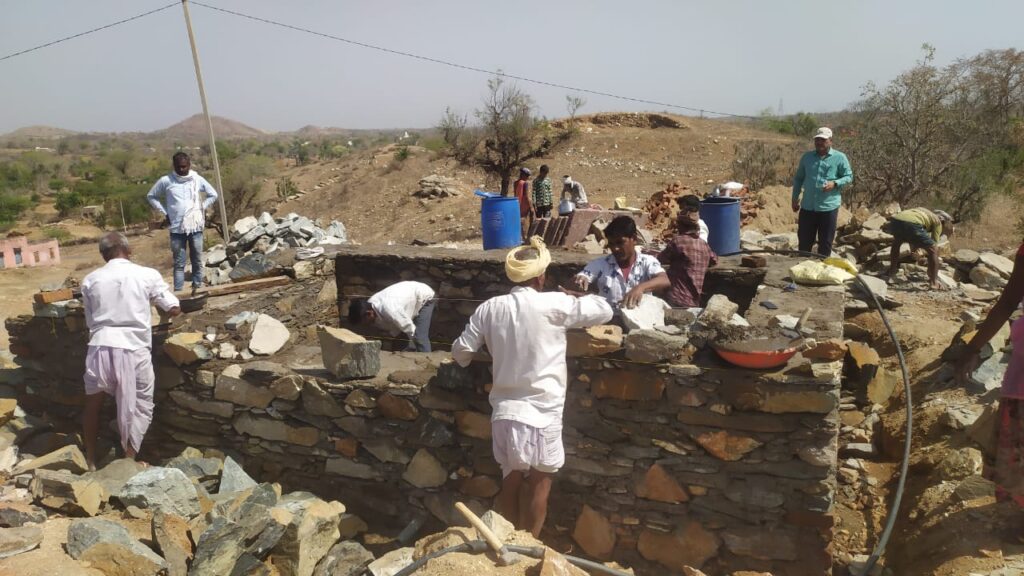
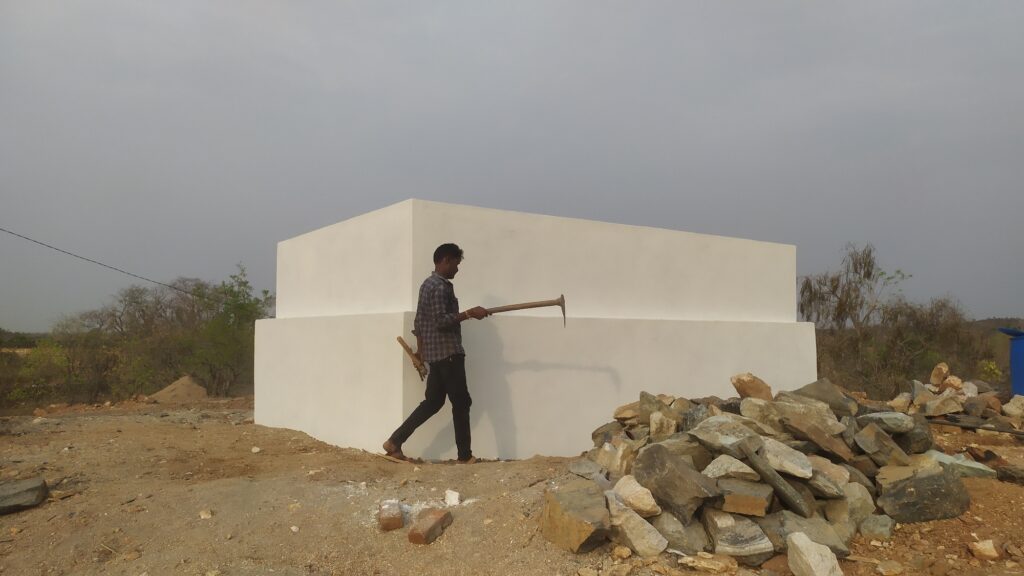
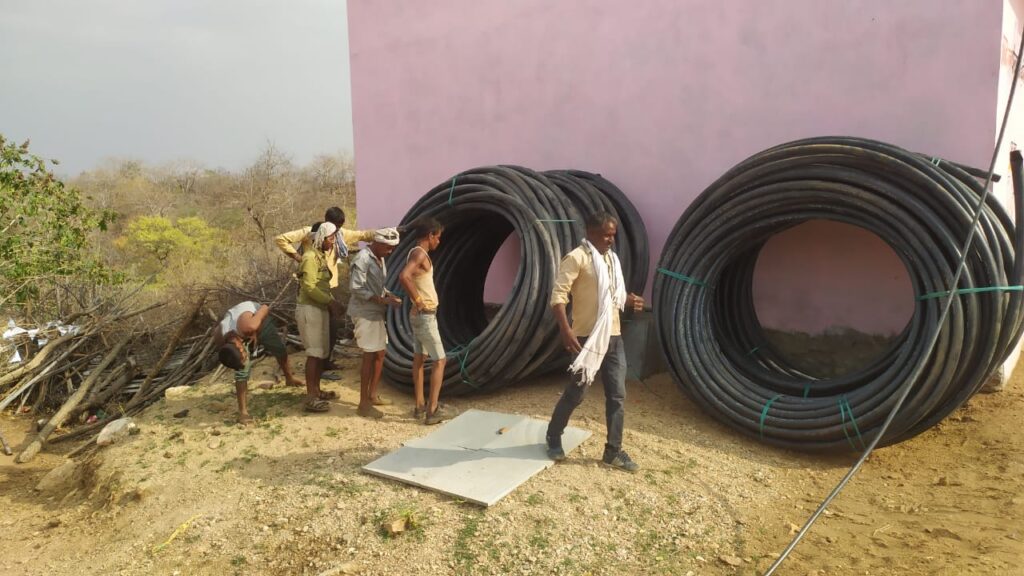
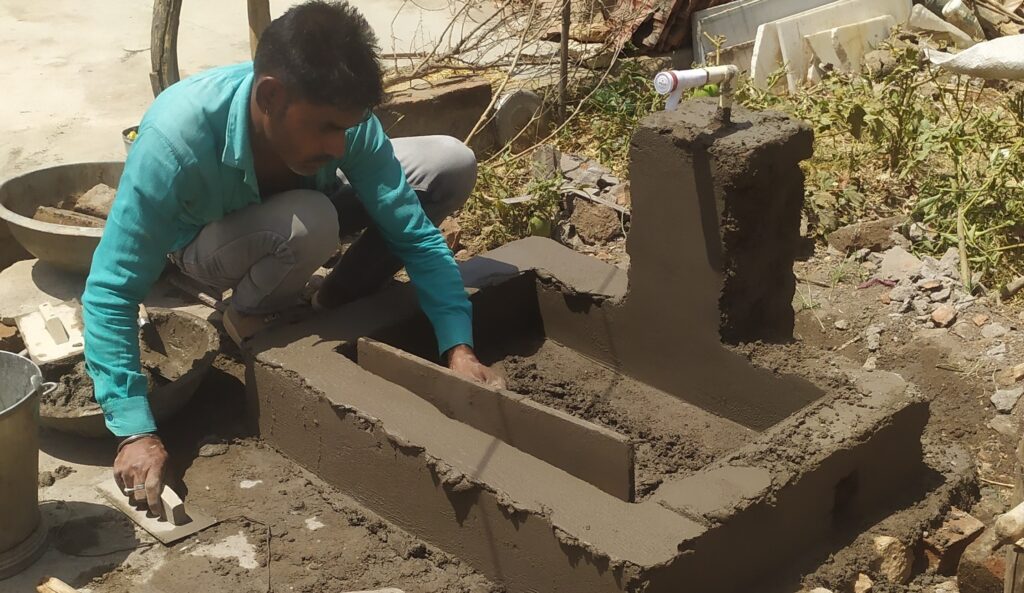
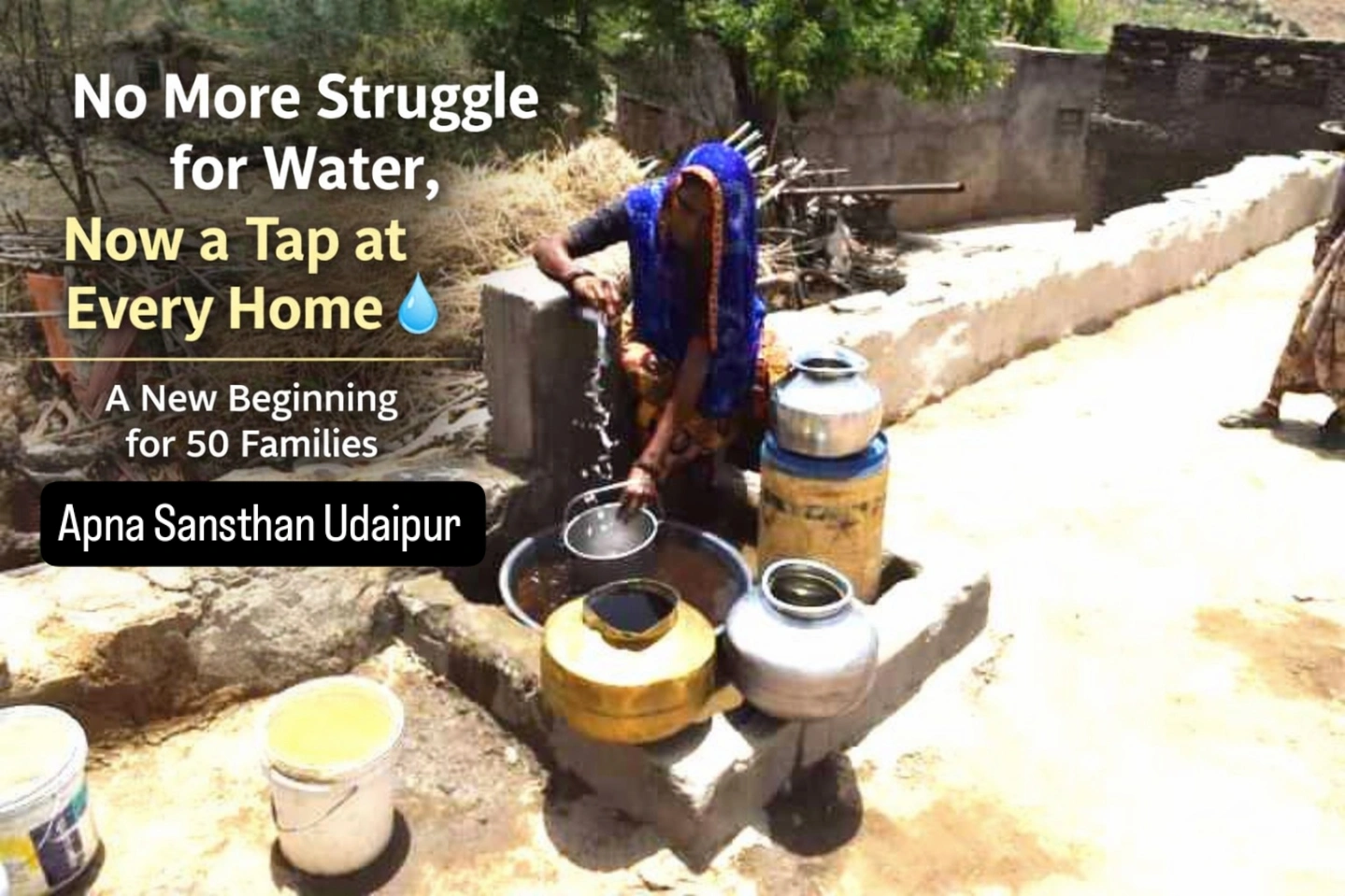
Khedachoda (Vikela), a remote village under Adinda Gram Panchayat in Vallabhnagar Block of Udaipur district, is predominantly inhabited by families from the Rawat tribe. The community largely depends on agriculture and daily wage labour for their livelihood.Even decades after India’s independence, the village continues to face severe infrastructural challenges. Access to the village is still through a kutcha road, which was constructed largely through the efforts and contributions of the local residents themselves.One of the most critical issues faced by the village was the acute shortage of safe drinking water. The village had only two hand pumps—one of which was non-functional, while the other had completely dried up. As a result, villagers, especially women and children, were compelled to fetch drinking water from a source located nearly one kilometre away, causing significant hardship.Recognizing the seriousness of the issue, Apna Sansthan initiated discussions with the local community in December 2022 and approached the Gram Panchayat leadership for support. However, despite repeated requests, no action was taken at the local governance level.In response to this urgent need, a Community Pure Drinking Water Scheme was implemented in the village. Under this initiative, a 30,000-litre water storage tank was constructed to ensure a reliable supply of safe drinking water.Following the construction, a pipeline network was laid across the village, and household tap connections were provided to 50 families, ensuring direct access to clean drinking water at their homes.A notable aspect of this initiative was the strong community participation and ownership. The villagers contributed 25% of the total project cost, demonstrating their commitment to the sustainability of the scheme.Special recognition goes to Mr. Varda Ji Meena, whose contribution was invaluable. He generously provided water from his personal well to fill the community water tank during the initial phase and declined any financial compensation, stating his willingness to continue supporting the village until a permanent arrangement was fully established.To ensure long-term sustainability, a Village Water Management Committee has been formed for the operation, maintenance, and management of the Community Pure Drinking Water Scheme. The committee is responsible for monitoring the system, addressing maintenance issues, and ensuring smooth water distribution to all beneficiary households.This initiative stands as a strong example of community-led development, local participation, and sustainable rural water access intervention.
Project Objectives
Safe Drinking Water Access
To ensure regular and reliable access to safe and clean drinking water for all households in the village, improving their daily quality of life.
Reduced Burden on Women and Children
To reduce the physical effort and time spent by women and children in fetching water from distant sources.
Improved Community Health
To minimize the risk of water-borne diseases and improve the overall health and hygiene conditions of the community.
Sustainable Water Infrastructure
To develop a long-term and sustainable water storage and distribution system within the village.
Household Water Connectivity
To provide direct household tap connections through a proper pipeline network, ensuring doorstep access to drinking water.
Community Participation
To encourage active participation and ownership of the local community for the sustainability of the initiative.
Local Management System
To establish a village-level water management committee for effective operation, maintenance, and monitoring of the water system.
Water Conservation Awareness
To promote awareness among community members regarding safe water usage and the importance of water conservation.
Impact
Improved Access to Safe Drinking Water
The initiative has ensured direct access to safe and clean drinking water for 50 households in the village, addressing one of the community’s most critical basic needs.
Reduced Burden on Women and Children
Earlier, women and children had to travel nearly one kilometre to fetch water. With household tap connections now in place, the time and physical effort required for water collection have been significantly reduced.
Better Community Health
Access to clean drinking water has helped reduce the risk of water-borne diseases, leading to improved health, hygiene, and overall well-being of the community.
Time Savings and Increased Productivity
The time saved from collecting water can now be used for education, household responsibilities, and livelihood activities, especially benefiting women and children.
Strengthened Community Ownership
The community’s financial contribution and active participation in the project have strengthened the sense of ownership, responsibility, and sustainability.
Key Activities
Community Need Assessment
- Conducted discussions and consultations with the local community to identify the severity of the drinking water crisis and understand the needs of the village households.
Stakeholder Consultation
- Engaged with local governance representatives and village leadership to explore possible support and solutions for the drinking water issue.
Community Mobilization
- Mobilized the villagers and encouraged active community participation and contribution in the planning and implementation process.
Construction of Water Storage Tank
- Constructed a 30,000-litre community water storage tank to ensure a reliable and sustainable water supply system.
Pipeline Installation
- Laid a village-level pipeline distribution network to connect the water tank with beneficiary households.
Household Tap Connections
- Provided tap water connections to 50 households, ensuring doorstep access to safe drinking water.
Community Contribution and Resource Support
- Facilitated community contribution and local resource support to strengthen ownership and sustainability.
Formation of Water Management Committee
- Established a Village Water Management Committee for regular operation, maintenance, and monitoring of the water system.
Awareness and Capacity Building
- Conducted awareness sessions on safe water usage, hygiene practices, and water conservation.