
About
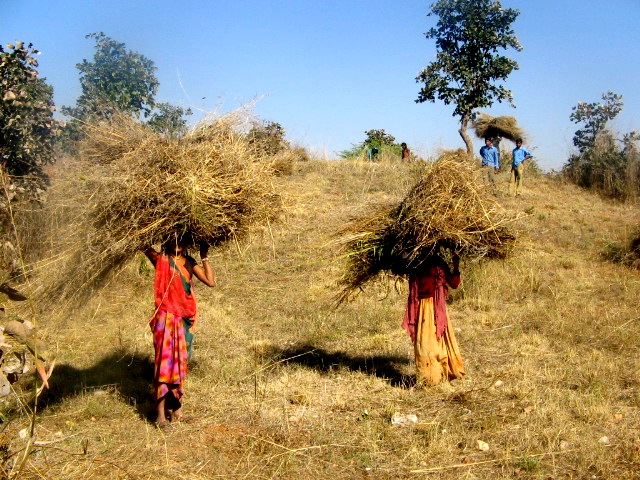
The initiative aimed to ensure the sustainable availability of fodder for communities and enhance the income of livestock-rearing families. This effort was initially launched in two villages, where improved grass production was promoted on community pasture lands. Approximately 50 hectares of grazing land were fenced, and fodder production was carried out using scientific and sustainable methods.Under this program, 25 percent of the contribution came from the village community, while 75 percent support was provided by the organization. To ensure the effective implementation of the project, village-level committees were formed. These committees were responsible for the regular maintenance, protection, and management of the pasture land. During the fodder harvesting period, a system was established in which one member from each family participated on a rotational basis, ensuring equal benefit for all households and strengthening community participation.As a result of these efforts, year-round fodder availability for livestock was ensured, leading to improved livestock productivity and a significant increase in the income of livestock-dependent families. Encouraged by the success and positive impact of this model, the initiative was subsequently expanded to other villages as well.Today, local communities in nearly 50 villages are independently managing and successfully operating this pasture development model. Whenever technical guidance, resources, or additional support is required, the organization remains committed and readily available to assist. This initiative has emerged as an inspiring and successful example of community participation, sustainable natural resource management, and rural livelihood empowerment.